Let s Do This Funny School Design Review
As a designer who has spent years translating digital files into tangible thread and fabric, I approach every new asset with a mix of excitement and skepticism. The market is flooded with Graphics that look stunning on a screen but fall apart under the needle. Today, I am putting Let s Do This Funny School through its paces to see if it holds up as a viable machine embroidery design for real-world projects. This isn't just about whether the file downloads correctly; it is about how the phrase translates when stitched onto a sweatshirt or a tote bag.
First Impressions: Mood and Visual Personality
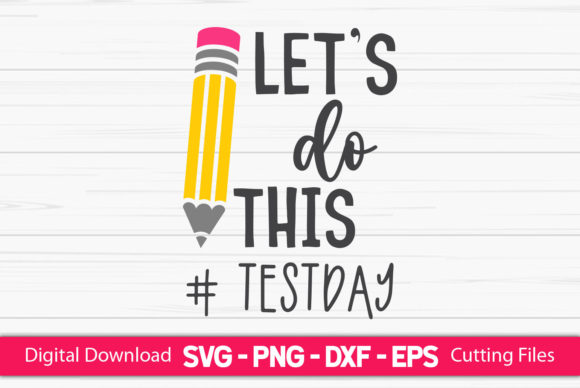
When I first opened the preview for Let s Do This Funny School, the energy was immediately apparent. The typography leans heavily into a playful, slightly chaotic vibe that fits perfectly with the back-to-school season or teacher appreciation gifts. In the realm of Crafts, humor is a powerful tool, but it relies entirely on legibility and shape integrity. The layout suggests a bold statement piece rather than a delicate accent. My initial assessment is that this design thrives on confidence. It demands attention, which means the stitching needs to be crisp to avoid looking muddy.
The visual personality here screams "fun," making it an ideal candidate for custom apparel aimed at students or educators. However, as a professional, I know that "funny" can quickly turn into "messy" if the stitch density is not managed correctly. The curves in the lettering need to maintain their definition, especially if you plan to use this for embroidered patch creation where clean edges are non-negotiable.
Real-World Application: From File to Fabric
Imagine you are running a small shop product line for the upcoming school year. You have a stack of heavyweight canvas tote bags ready for decoration. You load Let s Do This Funny School into your machine, expecting a quick turnaround. How does it actually perform? Based on the structure of similar digital embroidery file assets, this design works best on stable fabrics like cotton twill or denim. The text likely requires a combination of fill stitch for the body of the letters and perhaps some satin stitch accents to give it dimension.
If you were to apply this to a sweatshirt embroidery project, the texture of the fleece becomes a critical factor. Fleece tends to push threads around, so the design would require a heavy-duty stabilizer to prevent the letters from sinking in or distorting. For a personalized gift like a baby item or a nursery pillow cover, the softness of the fabric might clash with the bold, edgy nature of the phrase unless you adjust the scale significantly. A smaller version could work on a onesie, but only if the details remain sharp enough to be read after washing.
I also see potential for this design in holiday embroidery contexts, specifically for end-of-year teacher gifts. Picture a coffee mug cozy or a kitchen towel featuring this phrase. The contrast between the utilitarian nature of a tea towel and the humorous message creates a delightful tension that customers love. However, remember that items like towels get washed frequently. If the stitch density is too high, the fabric may pucker over time, ruining the professional finish of your finished product.
Navigating Challenges: Where Caution is Required
While Let s Do This Funny School offers great potential, there are specific scenarios where it requires careful handling. Small hoop sizes are a major concern. If you attempt to fit this entire phrase into a 4x4 inch hoop, the lettering will likely become cramped, leading to registration issues and poor stitch quality. Always check the recommended hoop size before committing to a project.
Another pitfall is using this design on stretchy or thin fabrics. On a jersey t-shirt, the elasticity can cause the design to warp as the garment moves. You must use cutaway stabilizers and potentially reduce the overall tension settings to accommodate the fabric's give. Similarly, dark fabrics present a challenge. Without proper backing, black thread on black fabric disappears, and light thread can show through. Testing the design in black and white mockups beforehand helps visualize these contrast issues.
Curved surfaces, such as caps or hats, add another layer of complexity. The flat nature of the text in Let s Do This Funny School might struggle to wrap around the curve of a baseball cap without distorting. If you choose to use it on a hat, consider breaking the design into smaller segments or adjusting the layout to follow the seam lines. Detailed corners and tiny lettering are also areas where running stitch or fine satin stitch can fail if the machine speed is too high, resulting in skipped stitches or broken threads.
Practical Designer Notes for Success
- Test First: Never skip the test run on scrap fabric. This allows you to verify thread colors and ensure the design sits flat without puckering.
- Stabilizer Selection: Match your stabilizer to the fabric weight. Heavy tees need heavy support; light linens need tear-away options.
- Density Check: Review the stitch density in your software. Too much fill makes the fabric stiff; too little leaves gaps that let the background show through.
- Licensing Verification: Before selling any handmade product or Etsy seller listing featuring this design, confirm the licensing terms. Ensure you are allowed to sell finished goods versus just the digital file.
- Mockup Strategy: Create printable mockup images for your shop listings to show customers exactly how the design looks on different backgrounds.
Impact on Brand and Customer Perception
The way you execute Let s Do This Funny School directly influences your brand's reputation. A well-stitched, crisp design signals professionalism and care. It tells the customer that you understand the nuances of commercial embroidery. Conversely, a sloppy execution with uneven edges or dropped stitches can damage customer trust instantly. In the competitive world of craft business, the difference between a good sale and a bad review often comes down to these technical details.
This design has the power to boost buyer engagement because it speaks directly to the target audience's emotions. It’s relatable, funny, and timely. When placed on a high-quality tote bag design or a durable apron, it transforms a simple commodity into a conversation starter. This increases the perceived value of the item, allowing you to price your small shop product higher than generic alternatives.
Final Verdict for the Maker
Let s Do This Funny School is a strong contender for your design assets library, provided you respect the technical requirements of embroidery. It is not a "set it and forget it" file; it demands attention to detail regarding stabilizer choice, fabric type, and hoop placement. If you take the time to test it properly and pair it with the right materials, it can become a staple in your embroidery project portfolio for the school season.
Whether you are creating a personalized gift for a friend or building a catalog for your online store, this design offers a fun, engaging aesthetic that resonates with buyers. Just remember to double-check the file formats—SVG, PNG, DXF, EPS—and ensure they are compatible with your cutting machines or embroidery software before you start stitching. With the right preparation, this design will stitch up beautifully and keep your customers smiling long after they receive their order.