Funny Bathroom Sign, Hello Sweet Cheeks Review
As a designer who has spent years navigating the intersection of digital graphics and physical stitching, I approach every new file with a critical eye. The market is flooded with generic patterns, so finding a piece that actually translates well from screen to fabric is a genuine win. Recently, I evaluated the Funny Bathroom Sign, Hello Sweet Cheeks, a design marketed primarily as a cut or print file for machines like Cricut and Silhouette. However, my focus today is strictly on its potential as an embroidery asset. Does this playful phrase hold up under the scrutiny of a professional hoop? Let's dive into how this Graphics file performs when transformed into a tangible, stitched reality.
First Impressions: Visual Weight and Layout
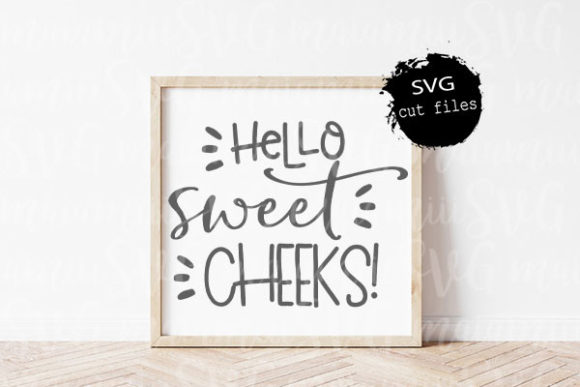
At first glance, the Hello Sweet Cheeks concept exudes a lighthearted, cheeky charm perfect for modern home decor. The typography is bold and friendly, avoiding the overly delicate scripts that often struggle in high-density embroidery. When I loaded the vector data into my digitizing software to visualize the stitch path, the layout felt balanced. The spacing between letters suggests it will maintain legibility even after the thread settles into the fabric. This is crucial for any machine embroidery design intended for public display, such as a bathroom sign or a boutique wall hanging.
The mood is unmistakably humorous without being crude, making it a versatile candidate for various handmade products. Whether you are targeting parents looking for nursery humor or adults refreshing their powder room, the visual personality of this design strikes a chord. It feels less like a standard clip-art insert and more like a curated statement piece. For an Etsy seller or small shop owner, having a design that immediately communicates a specific vibe can significantly boost buyer engagement and conversion rates.
Real-World Application: From Hoop to Home
To truly test the viability of Funny Bathroom Sign, Hello Sweet Cheeks, I imagined a few specific project scenarios. One of the most promising applications is a custom embroidered tote bag. Imagine a sturdy canvas tote, perhaps in a soft sage green or navy blue, featuring this phrase in a contrasting white or gold thread. The bold nature of the text would pop against the textured fabric, creating a fun accessory for farmers' markets or grocery runs. In this context, the design acts as a conversation starter, adding value to a simple utility item.
Another strong use case is a personalized kitchen towel or tea towel. While the phrase is bathroom-centric, the aesthetic fits perfectly in a kitchen setting where humor is appreciated. Using a dense fill stitch for the lettering would give the towel a premium, tactile feel. Customers love personalized gifts that offer a touch of wit, and this design delivers exactly that. It transforms a basic household item into a memorable keepsake.
I also considered using this for custom apparel, specifically a sweatshirt or a relaxed-fit t-shirt. Placing the design on the lower back of a crewneck sweatshirt could create a trendy, streetwear-inspired look. However, because the phrase is text-heavy, the placement needs to be precise. If the hoop size is too small, the letters might get compressed or distorted during stitching. Ensuring the design sits flat and unwrinkled is vital for maintaining the clean lines required by this particular font style.
Considerations for Fabric and Texture
While the design is robust, there are specific scenarios where caution is advised. Embroidering on thin or highly stretchy fabrics, such as jersey knit or silk, requires careful stabilization. Without a proper stabilizer, the tension from the needle pulling through the fabric could cause puckering around the edges of the letters. This would ruin the crispness of the Hello Sweet Cheeks message.
Similarly, if you plan to use this on dark fabrics, you must account for the backing. A standard satin stitch outline might not provide enough coverage, leading to the dark fabric showing through the gaps in the fill. In these cases, consider adding a layer of underlay stitches or using a water-soluble topping to keep the threads smooth. For curved surfaces like caps, the density of the text becomes a challenge. Tight curves can sometimes cause the thread to bunch up, especially in the corners of the letters. Always test the design on scrap fabric first to ensure the stitch flow remains consistent across the curve.
Technical Execution and Designer Notes
For those planning to integrate this into a commercial workflow, here are some practical notes based on my evaluation. First, always verify the stitch density. High-density areas can lead to thread breakage or excessive stiffness in the finished product. If the file allows for adjustments, slightly reducing the density in the fill areas can improve drape, especially for items like pillow covers or aprons.
Color selection plays a massive role in the final impact. Since this is a text-based design, contrast is king. Pairing a light thread on a dark background or vice versa ensures maximum readability. I recommend testing your color combinations in a black-and-white mockup before committing to expensive threads. This helps you spot any potential issues with visibility or contrast early in the process.
Licensing is another critical factor. As this product is described as a digital file for Cricut and Silhouette, it is essential to confirm the terms regarding commercial embroidery. Can you sell the finished stitched items? Are there restrictions on the number of units? Never assume; always check the license agreement provided with the download. Selling a finished product without the proper rights can jeopardize your craft business reputation and legal standing.
Final Verdict for Craft Entrepreneurs
The Funny Bathroom Sign, Hello Sweet Cheeks design offers a delightful opportunity for designers and makers to add a spark of humor to their portfolios. Its bold typography and clear layout make it suitable for a wide range of embroidery projects, from home textiles to wearable art. While it requires attention to detail regarding fabric choice and stabilizer usage, the end result promises a high-quality, engaging product.
For the small shop owner or digital product seller, this type of design asset bridges the gap between digital creativity and physical craftsmanship. It invites customers to smile, engages them with a relatable message, and showcases the skill involved in bringing a digital graphic to life through thread and needle. By approaching this design with technical precision and creative flair, you can turn a simple phrase into a standout item in your collection.