Bartender Hiding from Wife Charges Funny Review
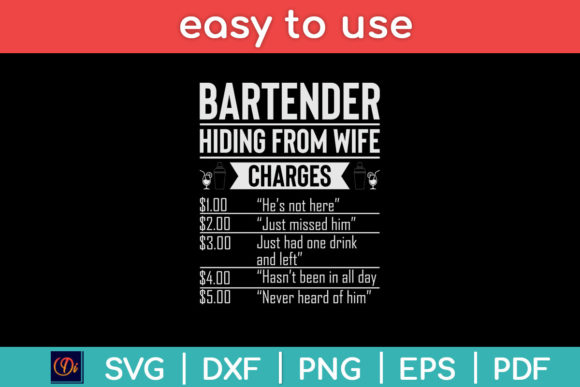
As a designer who has spent years translating digital files into tangible stitched goods, I approach every new asset with a critical eye. When I first opened the Bartender Hiding from Wife Charges Funny file, my immediate reaction was a mix of amusement and practical curiosity. This isn't just another generic joke; it taps into a specific, relatable slice of life that resonates deeply within the hospitality and bar community. The concept is simple yet visually punchy: a bartender attempting to avoid the inevitable confrontation over credit card bills. For anyone running a craft business or looking for the perfect personalized gift, this design offers a distinct personality that can elevate a standard item into a conversation starter.
First Impressions: Visual Weight and Design Personality
The visual layout of Bartender Hiding from Wife Charges Funny suggests a bold, graphic style. In the world of embroidery, clarity is king. A design that relies on humor needs to be legible from a distance. Upon inspection, the lines appear clean and well-defined, which is crucial when converting a vector-based cut file into a machine embroidery design. The theme creates an instant mood of lighthearted rebellion, making it an excellent candidate for custom apparel like sweatshirts or aprons.
However, as we move from the screen to the hoop, the real test begins. The design's success depends heavily on how the details translate into thread. If the original SVG features intricate shading or very fine lines, these areas might struggle in a satin stitch or fill stitch conversion. My professional instinct is to look for potential "choking" points where thread density could become too high, causing puckering on the fabric. For a project like a tote bag design or a wall decal, the flat surface allows for more flexibility, but on a curved surface like a cap, those same details might blur together if not carefully digitized.
Real-World Application: From File to Finished Product
Imagine you are preparing a holiday gift for a friend who owns a local dive bar. You decide to use the Bartender Hiding from Wife Charges Funny graphic on a heavy-duty cotton apron. This is a classic use case where the durability of the embroidery meets the humor of the message. The fabric texture of a canvas apron provides a stable base, allowing the stitches to sit flat and crisp. In this scenario, the design becomes a badge of honor, signaling inside jokes and shared experiences among staff.
For Etsy sellers and small shop product creators, this design fits perfectly into the niche of personalized gifts. Think about a custom embroidered patch that customers can iron onto their denim jackets or backpacks. The playful nature of the text combined with the visual element makes it highly giftable. It works exceptionally well as a sweatshirt embroidery piece for bar staff uniforms or as a fun addition to a baby embroidery collection—perhaps for a child of a bartender who wants to wear something that reflects their parent's profession with a wink.
When considering commercial embroidery projects, the versatility of this graphic is its strongest asset. Whether you are creating a batch of items for a craft fair or fulfilling a large order for a boutique, the design maintains its appeal. It bridges the gap between professional branding and personal expression. However, the key lies in execution. A poorly executed stitch job can ruin even the best design. The finished product must look intentional, with clean edges and consistent tension.
Navigating Fabric Challenges and Technical Limitations
While the concept is strong, there are specific scenarios where Bartender Hiding from Wife Charges Funny requires extra caution. Small hoop sizes are a significant constraint. If the design includes both text and imagery, shrinking it to fit a 4x4 inch hoop might compromise the legibility of the smaller elements. Tiny lettering often gets lost in the background noise of the fabric weave, especially on textured materials like fleece or thick wool.
Stretchy fabrics present another challenge. On a jersey t-shirt or a knit polo, the movement of the material can distort the shape of the design during stitching. Without the proper stabilizer, the threads may pull unevenly, leading to a wavy appearance that detracts from the professional look. Dark fabrics also demand attention; using light-colored thread on a black background without a tonal underlay can result in poor visibility and a lack of pop. Always compare light and dark fabric backgrounds before committing to a full run.
Detailed corners and dense stitch areas are where many designs fail. If the original file has sharp angles or complex intersections, the needle may skip or break, leaving gaps in the fill stitch. It is vital to inspect these areas closely. Additionally, products that need frequent washing, such as kitchen towels or tea towels, require robust stitching. The repeated agitation of the wash cycle can loosen loose threads or cause fraying if the stitch density is too low or the backing is insufficient.
Practical Designer Notes for Success
To ensure your project shines, start by testing the design on scrap fabric first. This step is non-negotiable for any serious maker. Use the same type of fabric you intend for the final product to gauge how the thread interacts with the weave. Check thread color contrast to ensure the message is readable from three feet away. Review the stitch density settings on your machine; sometimes reducing the density slightly can prevent puckering on delicate materials.
Confirm your hoop size matches the design dimensions. If the file is intended for a large area, do not force it into a small hoop. Inspect small details after the test run; if the text is hard to read, consider simplifying the font or increasing the overall scale. Test it in black and white mockups to visualize the placement on different garments before cutting any fabric. Use proper stabilizer tailored to your fabric type—a cut-away for knits and a tear-away for wovens usually yields the best results.
Finally, check whether the design works for both personal and commercial projects. As a digital product seller, you must confirm licensing before selling finished items or digital products. Just because a file is available for download does not mean you have the rights to resell the physical goods made from it. Understanding the terms of use protects your craft business and maintains customer trust.
Impact on Brand Value and Customer Engagement
Incorporating a design like Bartender Hiding from Wife Charges Funny into your portfolio can significantly boost buyer engagement. It shows that you understand your audience and are willing to take creative risks. A handmade product with a unique, humorous design stands out in a sea of generic merchandise. It adds value to the item, transforming a simple t-shirt or mug into a statement piece.
For the small business owner, consistency is key. Ensure that the quality of your embroidery aligns with the brand image you are building. Professionalism in stitching builds customer trust and encourages repeat business. When clients see that you pay attention to detail—from the choice of thread colors to the precision of the applique design—they are more likely to recommend your services. This design, when executed correctly, serves as a testament to your skill and creativity, proving that you can handle both technical challenges and artistic flair.
Ultimately, the success of Bartender Hiding from Wife Charges Funny lies in the hands of the creator. By respecting the limitations of the medium and leveraging the strengths of the design, you can create memorable, high-quality items that resonate with buyers. Whether it is a holiday embroidery project or a staple for your online shop, this graphic has the potential to be a standout piece in your collection. Just remember to prepare thoroughly, test diligently, and always prioritize the quality of the finished product.