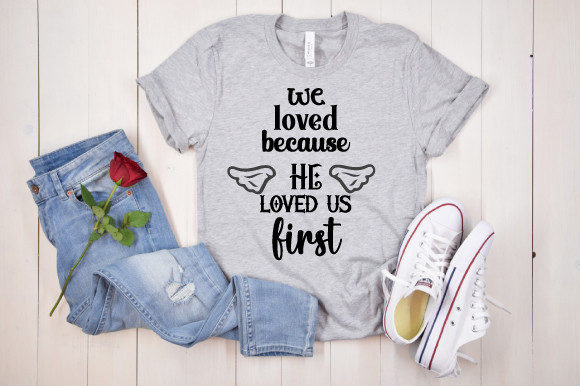
We Loved Because He Loved Us First Design Review
As a designer who has spent years translating digital concepts into tangible stitched goods, I approach every new asset with a critical eye. When I first encountered the We Loved Because He Loved Us First design, my initial reaction was to categorize it strictly as a vinyl decal file for paper crafting. The product description explicitly markets it as a word art SVG for Cricut and similar cutting machines. However, in our line of work, we know that a strong vector graphic is often the foundation of a successful machine embroidery design. This review explores how this specific phrase translates from a simple Graphics file into a viable, high-quality embroidery project.
First Impressions: Mood and Visual Weight
The phrase itself carries a warm, nostalgic, and deeply sentimental weight. It is not a joke or a trendy slogan; it is a statement of faith and gratitude. Visually, the layout relies on word art principles, where the shape of the text creates an image or a balanced composition rather than just a straight line. For an embroidery application, this presents both an opportunity and a challenge. The mood is perfect for home decor, specifically kitchen textiles, but the complexity of the lettering requires careful consideration regarding stitch density and legibility.
When visualizing this as a tote bag design or a kitchen towel, the sentiment resonates immediately. It feels like a piece meant for a grandmother’s kitchen or a welcoming entryway. However, because the original file is intended for cutting, the lines may be too thin for standard satin stitch without modification. A professional embroiderer knows that converting a cut file directly to a stitch file can result in gaps or thread breakage if the minimum width of the letters isn't adjusted for the physical limitations of thread.
Real-World Application: From Screen to Fabric
Let’s imagine a real scenario: You are preparing a custom order for a local boutique client who wants to sell personalized aprons for Mother's Day. The concept is beautiful—a high-quality cotton apron featuring the We Loved Because He Loved Us First message in a soft cream thread against a sage green background. The emotional connection is instant. Customers browsing your shop would likely stop at this item because it speaks to their personal values.
However, moving from the digital preview to the actual finished product requires technical precision. If you attempt to stitch this design on a textured fabric like linen or a heavy canvas tote, the intricate curves of the word art might get lost in the weave. In such cases, using a dense fill stitch instead of a fine outline might be necessary to ensure the text pops. Conversely, if you are creating a delicate baby embroidery item, such as a bib or a onesie, the font size becomes critical. Tiny lettering on stretchy jersey knit can distort during washing, making the message unreadable. Therefore, this design shines best on stable, flat surfaces like pillow covers, tea towels, or heavyweight sweatshirts where the fabric does not shift under the needle.
Strategic Use Cases for Crafters and Sellers
- Kitchen Textiles: Tea towels and aprons are the natural home for this phrase. The sturdy cotton allows for higher stitch density, ensuring the words remain crisp after repeated washes.
- Holiday Gifts: As a holiday embroidery project, this design works beautifully on stockings or Christmas table runners, offering a meaningful alternative to generic seasonal patterns.
- Custom Apparel: For sweatshirt embroidery, place the design on the chest pocket area or the back yoke. Avoid placing it over seams or areas that will experience significant stretching.
- Boutique Branding: Small shop owners can use this as a signature piece for their brand, perhaps as an embroidered patch attached to hats or bags, provided the patch backing is rigid enough to support the detail.
Navigating Technical Challenges
While the aesthetic appeal is high, there are specific areas where this design demands caution. Since the source is a Crafts category SVG, the vector paths might contain extremely sharp corners or very narrow serifs. In embroidery, these areas are prone to puckering or thread bunching. Before committing to a client order, you must test the design on scrap fabric. Check the hoop size requirements carefully; a large, sprawling word art design might require a 10x10 inch hoop or larger, which limits the types of garments you can use.
Fabric choice is equally vital. On dark fabrics, the contrast of the thread colors becomes the primary driver of visibility. If you use a light-colored thread on a black sweatshirt, ensure the stabilizer is robust enough to prevent show-through and maintain the integrity of the letters. Stretchy fabrics like spandex blends should generally be avoided unless you are using a specialized technique to lock the stitches in place. Furthermore, curved surfaces like caps present a unique difficulty. The top of a cap has a radius that can cause the bottom of the letters to distort if the design is not properly digitized for that curvature.
Professional Tips for Maximizing Value
To ensure your handmade product looks professional and commands a premium price, follow these practical steps when working with We Loved Because He Loved Us First:
- Test Stitch Density: Run a test on a piece of the actual fabric you intend to use. Look for any areas where the thread is too loose (showing fabric) or too tight (causing puckering).
- Check Thread Colors: Select thread shades that offer high contrast. A subtle grey on white might look elegant on screen but disappear in person. Bold, clear colors build customer trust.
- Verify Licensing: Remember that the original product description mentions it is a digital download for personal use. If you plan to sell finished items as a commercial embroidery business, you must confirm the licensing terms allow for resale. Never assume a free or low-cost graphic includes commercial rights.
- Use Proper Stabilizers: Do not skimp on stabilizer. For word art with varying stroke widths, a tear-away or cut-away stabilizer matching the fabric weight is essential to keep the letters from sinking into the material.
- Create Mockups: Before selling, create printable mockups showing the design on various products. This helps potential buyers visualize the final result and increases engagement on platforms like Etsy.
Final Verdict for the Creative Entrepreneur
The We Loved Because He Loved Us First design holds significant potential for Etsy sellers and creative entrepreneurs looking to add depth to their catalog. Its strength lies in its emotional resonance and versatility across different textile applications. However, its success depends entirely on the quality of the digitization and the care taken in execution. By treating this digital embroidery file with the same rigor as any other high-end asset—testing, stabilizing, and respecting the limitations of the medium—you can transform a simple SVG into a cherished, long-lasting personalized gift.
For those building a craft business, this type of design offers a chance to connect with customers on a deeper level. It moves beyond decoration into storytelling. Just remember to always inspect the small details, adjust for fabric texture, and ensure your design assets are legally cleared for your specific business model. With the right preparation, this phrase can become a standout item in your collection, proving that thoughtful design and technical skill go hand in hand.