Shortest Elf: A Designer's Real-World Embroidery Review
As someone who has spent years navigating the intersection of digital design files and physical thread, I approach every new asset with a critical eye. The market is flooded with machine embroidery design options, but few stand out for their immediate commercial viability without significant tweaking. Today, I am evaluating the Shortest Elf, a character-based graphic that promises humor and holiday charm. Before you commit to stitching this onto your next batch of custom apparel or listing it as a digital product, let’s dig into how this file actually performs in a real-world crafting environment.
First Impressions: Character and Visual Weight
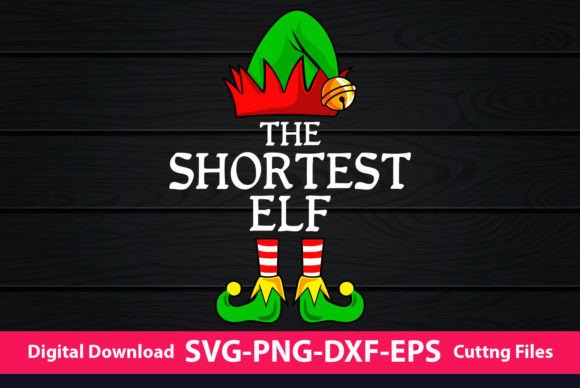
When I first opened the embroidery file for the Shortest Elf, the mood was immediately clear. This is not a delicate, intricate Victorian-style pattern; it is bold, cartoonish, and undeniably funny. The visual personality leans heavily into the "ugly Christmas sweater" aesthetic, which is currently dominating the holiday embroidery market. The layout is compact, making it an ideal candidate for smaller hoop sizes, but the detail level requires careful consideration regarding stitch density.
From a design perspective, the Shortest Elf works because of its simplicity. The lines are thick enough to survive the translation from vector to thread, avoiding the common pitfall where fine details get lost in fill stitch or satin stitch execution. However, the humor relies on the expression and the proportions. If the thread colors are not chosen carefully, the contrast might flatten the character, turning a funny elf into a muddy blob. For any Etsy seller or small shop owner looking to create a cohesive brand, the ability of this design to pop against various backgrounds is crucial.
Testing the Waters: A Custom Sweatshirt Scenario
To truly understand the utility of the Shortest Elf, I imagined a specific project: a family matching set of heavyweight sweatshirts. In this scenario, the goal is to create a memorable personalized gift that holds up through multiple washes. Placing the Shortest Elf on the chest of a crewneck sweatshirt presents a classic challenge. The fabric texture of fleece can sometimes interfere with tight stitch patterns, causing the design to pucker if the stabilizer is insufficient.
In my mental simulation, the Shortest Elf would look fantastic on a dark charcoal or forest green sweatshirt, provided the background fill uses a high-density white underlay. The playful nature of the design makes it perfect for custom apparel intended for children or adults who enjoy lighthearted humor. Unlike more formal embroidered patch designs, this one invites interaction. Customers aren't just buying a decoration; they are buying a conversation starter. This emotional connection is what drives sales for handmade products in the holiday season.
Navigating Fabric Challenges and Technical Limits
While the Shortest Elf is versatile, it is not a universal solution for every material. As a professional designer, I must advise caution when using this Graphics file on stretchy fabrics like jersey knit or very thin materials. The tension required to stitch the thicker outlines could cause the fabric to warp, ruining the fit of the garment. Similarly, on textured fabrics like corduroy or heavy denim, the needle may struggle to penetrate consistently, leading to skipped stitches or uneven coverage.
Another area requiring attention is the use of this design on curved surfaces, such as caps or hats. While the compact size suggests it would fit, the curvature can distort the proportions of the elf, potentially altering the intended humor. Always test the design on a scrap piece of the actual fabric before committing to a client order. Check the hoop size compatibility to ensure the entire design fits within your machine's working area without needing to reposition, which can lead to registration errors.
Commercial Viability and Brand Consistency
For those running a craft business, the value of a design extends beyond its visual appeal. The Shortest Elf offers strong potential for creating a line of matching items, from tote bag design projects to baby embroidery onesies. The key to success lies in maintaining consistency across different product types. If you use this design on a pillow cover, ensure the scale matches the version used on a tea towel to maintain brand recognition.
However, be mindful of the licensing terms associated with the digital file. The description notes it is available in SVG, PNG, DXF, and EPS formats, primarily for cutting machines, but if you are converting this to an embroidery project, you must confirm whether the license allows for commercial use of finished goods. Many designers purchase files for personal use only. Selling items featuring the Shortest Elf without the proper commercial license can jeopardize your business reputation and legal standing. Always verify the terms before adding the design to your design assets library for resale.
Practical Notes for the Professional Stitcher
- Test on Scrap Fabric: Never skip the test run. Stitch the Shortest Elf on a swatch of your intended fabric to check for puckering and color bleeding.
- Color Contrast: Use bright, contrasting thread colors to ensure the facial features of the elf remain distinct against the background.
- Stabilizer Selection: For applique design elements or dense fills, use a tear-away or cut-away stabilizer appropriate for the fabric weight to prevent distortion.
- Density Check: Review the stitch density settings. Too dense, and the fabric will stiffen; too loose, and the design will lack definition.
- Mockup Validation: Create a printable mockup in black and white to assess the visual balance before spending hours on the machine.
The Final Verdict on Shortest Elf
The Shortest Elf is a robust, character-driven design that fits perfectly into the current demand for humorous holiday decor and apparel. It excels in applications where a bold statement is needed, such as sweatshirt embroidery, festive aprons, and nursery decor. Its simplicity ensures that even hobbyists can achieve professional-looking results, while experienced decorators can leverage its charm to boost buyer engagement.
However, its success depends entirely on the execution. Proper fabric selection, adequate stabilization, and adherence to licensing agreements are non-negotiable. When used correctly, this digital embroidery file can become a staple in your holiday collection, offering both aesthetic appeal and commercial value. Whether you are preparing a single finished product for a friend or scaling up for a small shop product launch, the Shortest Elf provides a solid foundation for creative expression. Just remember to trust your instincts, test thoroughly, and let the quality of your work speak for itself.