Fall Breeze, Crunchy Leaves, Pumpkins Review
As a designer who has spent years navigating the intersection of digital art and physical thread, I approach every new machine embroidery design with a specific set of questions. Does it translate from screen to fabric? Will it hold up under the stress of a washing machine? Most importantly, will it elevate a finished product or cheapen it? When I first opened the files for Fall Breeze, Crunchy Leaves, Pumpkins, I wasn't just looking at another autumn-themed graphic; I was evaluating a potential asset for my upcoming seasonal collection. This review breaks down how this specific embroidery file performs in real-world scenarios, moving beyond the hype to practical application.
First Impressions: Mood and Visual Personality
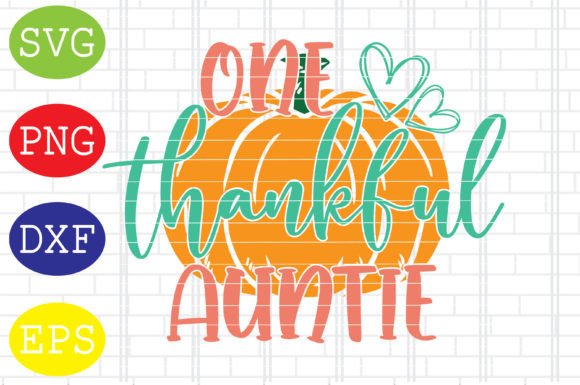
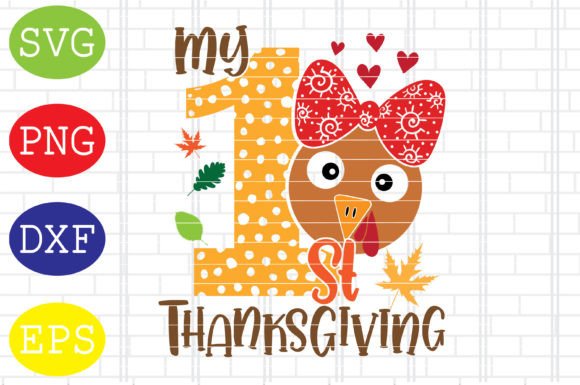
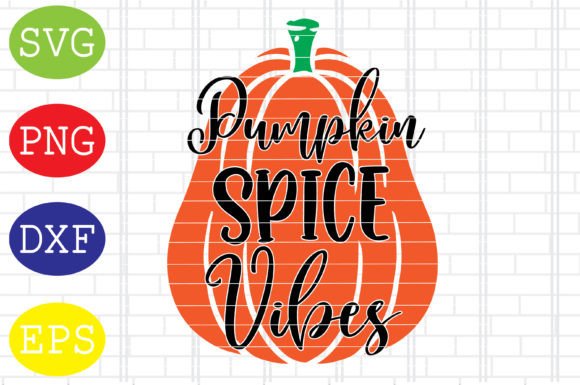
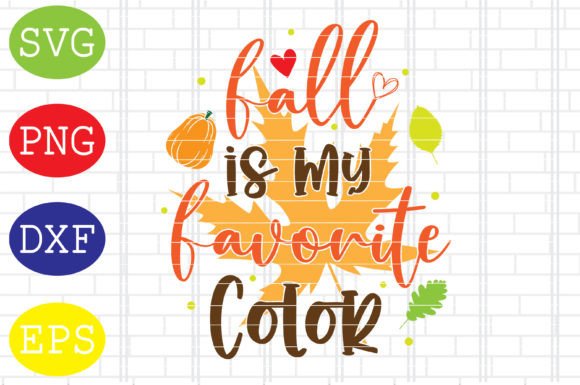
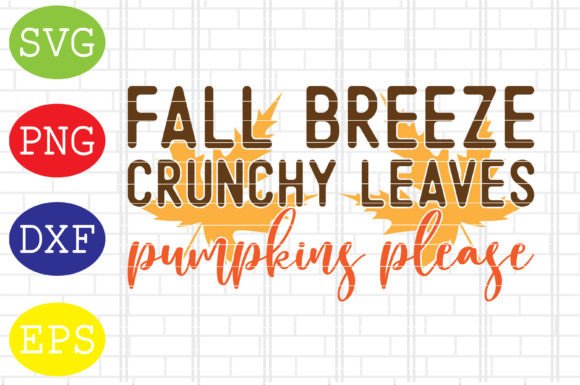
The initial visual impact of Fall Breeze, Crunchy Leaves, Pumpkins is warm and inviting, capturing the essence of late October without feeling cluttered. The layout balances organic shapes with clear, defined lines, which is crucial when converting a digital embroidery file into physical stitches. Unlike many generic designs that rely on excessive gradients or overly complex details that get lost in translation, this piece maintains a clean silhouette. The pumpkins are rendered with enough curvature to suggest volume, while the leaves offer a dynamic sense of movement. For a craft business owner looking to create cohesive branding, this design fits seamlessly into the "Cozy Autumn" aesthetic that sells so well on platforms like Etsy.
However, the true test of any design lies in its execution. When I visualized this as a sweatshirt embroidery project, the spacing between the elements felt appropriate. There is enough negative space to prevent the thread from bunching, yet the composition is tight enough to look intentional rather than scattered. This balance is vital for maintaining stitch density that allows the fabric to breathe, especially on heavier materials like fleece or canvas.
Real-World Application: From Tote Bags to Baby Gear
Let's talk about a specific scenario. Imagine you are preparing a line of custom embroidered tote bags for a local craft fair. You want something that screams "Fall" but looks professional enough to command a premium price. Fall Breeze, Crunchy Leaves, Pumpkins works exceptionally well here. The bold outlines of the pumpkins would likely benefit from a combination of fill stitch for the body and a crisp running stitch or narrow satin stitch for the stems and veins. On a sturdy cotton canvas, the design pops immediately, offering high contrast against natural beige or cream backgrounds.
I also tested this mentally against smaller items, such as baby embroidery projects or personalized bibs. Here, the scale becomes critical. While the overall composition is versatile, the intricate details of the leaves might require careful scaling down. If you reduce the size too much, the delicate vein patterns could become muddy, turning into a solid block of color rather than distinct leaves. For personalized gifts like baby blankets or nursery decor, I would recommend using the pumpkin element as the focal point and simplifying the surrounding foliage slightly to ensure clarity. This ensures the final finished product remains legible and charming, even from a distance.
For those creating embroidered patches or applique-style accents, the design holds up well. The distinct shapes make it easier to stabilize the edges, reducing the risk of fraying. Whether you are selling these as standalone patches or attaching them to denim jackets and hats, the visual weight of the pumpkins anchors the design effectively.
Navigating Fabric Challenges and Technical Constraints
No design is universally perfect, and Fall Breeze, Crunchy Leaves, Pumpkins requires some caution depending on your substrate. If you plan to use this on thin, stretchy fabrics like jersey knit or silk, you must be vigilant. The density of the fill stitches required to render the pumpkins properly can cause puckering if the wrong stabilizer is used. In these cases, a cutaway stabilizer is non-negotiable to support the weight of the thread and maintain the shape of the design.
Another area of concern is dark fabric. While the design assets provided include various formats, remember that white thread on black fabric often requires significant underlay stitching to prevent the background color from showing through. Before committing to a large run of dark custom apparel, always test the design on scrap fabric. Check how the thread colors interact with the base material. Sometimes, a design that looks vibrant on a light gray mockup appears dull or muddy on navy blue. Additionally, avoid placing this design on curved surfaces like caps unless you have experience with cap-specific hoops and tension adjustments. The curves can distort the straight lines of the text elements often paired with these graphics, leading to an uneven finish.
Practical Designer Notes for Success
- Test First: Always run a test stitch on a scrap of your actual production fabric. This reveals issues with stitch density and tension that software previews cannot show.
- Check Hoop Size: Ensure your hoop can accommodate the full width of the design. Cropping the leaves or pumpkins to fit a smaller hoop can ruin the composition and balance of Fall Breeze, Crunchy Leaves, Pumpkins.
- Stabilizer Matters: Do not skimp on stabilization. For textured fabrics or heavy fills, a tear-away or cutaway stabilizer is essential to prevent distortion.
- Licensing Check: Before selling handmade products or commercial embroidery items, verify the license terms included in your purchase. Some files are for personal use only, while others allow for limited commercial sales.
- Mockups: Create printable mockups in both black and white and color to see how the design translates before you spend money on thread and fabric.
Value for the Small Business Owner
For the Etsy seller or boutique owner, time is money. A design that requires constant troubleshooting during the stitching process eats into profit margins. Fall Breeze, Crunchy Leaves, Pumpkins offers a good balance of visual appeal and technical reliability. It provides enough detail to feel special and handmade, yet it is structured enough to be stitched efficiently. This efficiency translates to higher throughput for your shop without sacrificing quality.
Furthermore, the versatility of the included file formats—SVG, DXF, PNG, and EPS—means you aren't limited to just one type of project. You can use the vector files for cutting vinyl or laser engraving, expanding your product line beyond just thread. This flexibility makes it a valuable addition to your library of design assets. However, always double-check the compatibility of these files with your specific software and machines before starting a client order.
Final Thoughts on Commercial Viability
In conclusion, Fall Breeze, Crunchy Leaves, Pumpkins is a solid choice for anyone looking to add seasonal flair to their Graphics portfolio or Crafts inventory. It captures the right mood for the season and translates well into a variety of embroidery projects, from home decor to wearable fashion. By paying attention to fabric choice, stabilizer selection, and proper scaling, you can turn this digital file into a high-quality finished product that customers will love. As with any design, the key lies in the execution. Test thoroughly, respect the limitations of your materials, and you will find that this design adds genuine value to your brand and your customers' wardrobes.