Do the Bunny Hop Svg Design: A Designer Review
As a designer who has spent years translating digital files into tangible thread and fabric, I approach every new asset with a critical eye. When I first opened the Do the Bunny Hop Svg Design, my immediate reaction was to assess its potential beyond the screen. In the world of Crafts and Graphics, a file is only as good as its finished product. This particular design carries a playful, energetic vibe that screams springtime fun, but does it hold up under the scrutiny of a professional embroidery machine? Let's dive into how this machine embroidery design performs in real-world scenarios.
First Impressions: Visual Personality and Layout
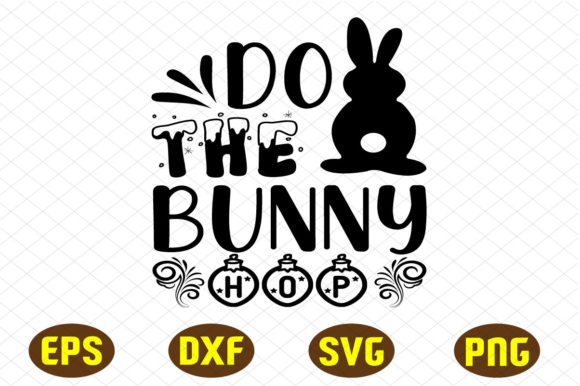
The initial look of Do the Bunny Hop Svg Design suggests a whimsical theme perfect for seasonal collections or children's wear. The layout appears balanced, which is crucial when converting a vector graphic into an embroidery file. From a design perspective, the shapes are distinct enough to maintain clarity even when scaled down slightly. However, the true test lies in how the lines translate into stitches. A clean vector does not always guarantee a clean stitch-out, especially if the design relies heavily on fine details that might get lost in the texture of the fabric.
When visualizing this as a tote bag design or a decorative element on a nursery blanket, the mood feels inviting and cheerful. It has that "handmade" charm that customers on Etsy and at craft fairs love. Yet, as someone who manages a small shop product line, I know that charm must be backed by technical precision. The design needs to work seamlessly whether you are using a satin stitch for outlines or a fill stitch for the main body of the bunny.
Real-World Application: From File to Fabric
Imagine you are preparing a batch of custom apparel for an upcoming holiday sale. You decide to use Do the Bunny Hop Svg Design on a collection of organic cotton sweatshirts. Here is where the practical evaluation begins. Sweatshirts have a textured surface, often referred to as fleece or french terry, which can sometimes swallow intricate details. If the design includes tiny lettering or delicate ears on the bunny, they might disappear into the nap of the fabric unless the stitch density is optimized.
In my experience, designs like this shine brightest on medium-weight fabrics where the thread sits on top rather than sinking in. For a baby embroidery project, such as a onesie or a soft pillow cover, the design offers a sweet aesthetic. However, baby clothes require frequent washing. You must ensure that the digitization accounts for shrinkage and stress points. If the embroidered patch version of this design is intended for hats or caps, the curvature becomes a major factor. Flat designs often pucker on curved surfaces if the stabilizer isn't chosen correctly.
Consider also the context of a personalized gift. If a customer wants this design on a kitchen towel or an apron, the placement matters. The design should be large enough to be seen but not so dense that it makes the fabric stiff. A running stitch border could add a nice touch without adding bulk, whereas a heavy fill might make the towel uncomfortable to use.
Navigating Challenges: Where Caution is Needed
While Do the Bunny Hop Svg Design is versatile, there are specific situations where you need to proceed with caution. Small hoop sizes are a common pitfall. If you try to force this design into a 4x4 inch hoop, the scaling might distort the proportions of the bunny, making it look squashed or stretched. Always check the recommended hoop size before committing to a project.
Textured fabrics and thin materials present another challenge. On sheer fabrics, the backside of the stitching will show through, ruining the clean look of the front. Similarly, stretchy fabrics like jersey knits require significant stabilization. Without the proper stabilizer, the fabric will ripple around the stitches, creating an unprofessional finish. Dark fabrics also demand attention; you may need a backing layer or a different color palette to ensure the design pops against the background.
Detailed corners and tiny lettering are often the weak points in any digital embroidery file. If the text accompanying the bunny hop is too small, it will likely become illegible after stitching. As a reviewer, I always advise checking the legibility at the intended size before starting production. Dense stitch areas can cause needle breakage or skipped stitches if the machine speed isn't adjusted, so testing is non-negotiable.
Impact on Product Value and Brand Consistency
For an Etsy seller or a creative entrepreneur, the quality of your finished product directly influences customer trust and repeat business. Using a high-quality design like Do the Bunny Hop Svg Design can elevate a simple item into a boutique piece. When the stitching is crisp and the colors are vibrant, the perceived value increases. Customers are willing to pay more for items that look professionally made rather than amateurish.
However, consistency is key. If you sell multiple items featuring this design, they must all look identical. Variations in thread colors or tension can lead to returns. To maintain brand consistency, create a standard operating procedure for this specific design. Document the exact stabilizer type, needle size, and thread brands used. This ensures that every small shop product meets your quality standards.
Furthermore, consider how the design fits into your overall brand identity. Does the playful nature of the bunny align with your other offerings? If your brand is minimalist, this design might feel out of place. But for a brand focused on family, pets, or seasonal joy, it is a perfect fit. The visual appeal of the design contributes to buyer engagement, making your listings stand out in a crowded marketplace.
Practical Designer Notes for Success
Before you commit to a full run of products, follow these essential steps to ensure success with Do the Bunny Hop Svg Design:
- Test on Scrap Fabric: Never skip the test run. Stitch the design on a scrap piece of the actual fabric you plan to use. Check for puckering, gaps, or misaligned threads.
- Check Thread Color Contrast: Ensure the thread colors provide enough contrast against the fabric. A light gray bunny on a white shirt will be invisible.
- Review Stitch Density: Look closely at the test stitch-out. Are there holes in the fill? Is the satin stitch too wide? Adjustments may be needed in your software.
- Confirm Hoop Size: Verify that the design fits comfortably within your hoop without crowding the edges.
- Inspect Small Details: Zoom in on the eyes, ears, and text. Are they clear and sharp?
- Test Black and White Mockups: Before ordering materials, visualize the design in black and white to see if the values work.
- Compare Light and Dark Backgrounds: See how the design looks on both light and dark fabrics to determine versatility.
- Use Proper Stabilizer: Choose a cut-away or tear-away stabilizer based on the fabric weight and stretch.
- Check Licensing: Confirm whether the license allows you to sell finished products or if it is for personal use only. This is critical for commercial embroidery projects.
- Verify File Formats: Ensure you have the correct format for your machine, whether it is an applique design or a standard stitch file.
By taking these precautions, you transform a digital download into a reliable asset for your craft business. The Do the Bunny Hop Svg Design has the potential to be a best-seller, provided you treat it with the care and technical knowledge it deserves. Whether you are making a holiday embroidery gift or stocking your online store, thoughtful preparation is the difference between a good product and a great one.